.png?width=1200&height=675&name=Untitled%20design%20(2).png)

Introduction
Recovering from a stroke is often a long and challenging journey, especially when it comes to regaining mobility. Traditional rehabilitation can be repetitive and physically taxing, which can lead many stroke survivors to lose motivation over time. That’s where LusioMATE steps in.
By turning stroke recovery exercises into interactive, goal-based movement activities, LusioMATE brings energy and engagement to rehabilitation, helping users stay committed and see progress. Whether used in clinics or at home, this stroke rehabilitation technology is making a real difference in how therapy is delivered, and how it feels.
Key Summary
-
LusioMATE is a wearable rehabilitation device that supports interactive stroke recovery exercises.
-
Motivation is a key factor in improving mobility after stroke.
-
Interactive, goal-oriented therapy can increase consistency and enjoyment in stroke rehabilitation.
-
Well suited for upper limb stroke rehabilitation and adaptable for different ability levels.
-
Enables home-based rehabilitation for stroke survivors, with remote therapist oversight.
-
Combines movement therapy post-stroke with real-time feedback and progress tracking.
Introduction: The Challenge of Stroke Rehabilitation
Every year, millions of people experience strokes that can significantly affect motor ability, particularly in the arms, hands, and legs. Stroke rehabilitation is essential to rebuilding strength, coordination, and independence.
Traditional therapies can be effective, but they can also feel monotonous and difficult to sustain without close support. Motivating stroke survivors to engage in regular, high-repetition movement practice remains one of the biggest challenges clinicians face. This is exactly where LusioMATE can help.

Why Motivation Matters in Stroke Recovery
Stroke recovery depends on neuroplasticity; the brain’s ability to rewire and form new connections. This process requires consistent, targeted, and repetitive movement practice.
But common challenges can get in the way:
-
Exercises can feel repetitive or disengaging
-
Progress may feel slow, especially early on
-
Fatigue or reduced confidence can limit participation
Keeping people engaged is crucial. Interactive, movement-led therapy helps make rehabilitation more achievable and easier to sustain over time.
What Is LusioMATE?
.png?width=480&height=600&name=Untitled%20(480%20x%20600%20px).png)
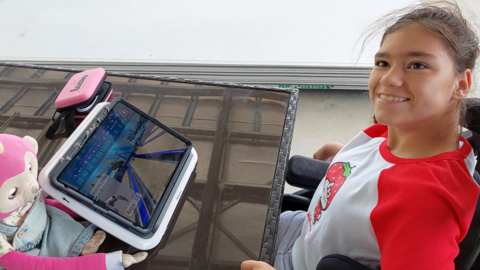
LusioMATE is a wearable, motion-sensing therapy tool developed by Lusio Rehab. It pairs with an app to guide prescribed rehabilitation movements through responsive on-screen activities controlled by the user’s own movement.
Key features include:
-
Wearable sensors placed on upper or lower limbs
-
Bluetooth connection to mobile, tablet, or computer
-
Engaging, customisable movement activities aligned to therapy goals
-
Real-time feedback and goal tracking
-
Remote access for therapists to monitor progress
This approach turns repetitive practice into a more engaging, measurable experience, which can encourage more consistent participation.
How Interactive Movement Therapy Supports Recovery Post-Stroke
Interactive movement therapy uses clear goals, visual feedback, and progress cues to make rehabilitation more rewarding and less burdensome.
With LusioMATE, stroke survivors can complete therapist-prescribed movement activities such as:
-
Guided arm movements to support shoulder control
-
Leg lifts and controlled foot taps to support strength and balance goals
-
Holding positions to build stability and endurance
These movements are aligned to individual goals and adjusted by therapists over time. This can be especially helpful for people rebuilding upper limb control after stroke.

LusioMATE in Action: Stroke Recovery Exercises Made Engaging
Many common stroke recovery exercises can be adapted for LusioMATE, including:
-
Shoulder flexion and extension
-
Wrist and hand control exercises
-
Elbow bending and straightening
-
Knee raises and foot taps
Because sessions provide immediate feedback and visible progress, many people find they are more likely to:
-
Complete more repetitions
-
Stay focused for longer sessions
-
Build confidence through measurable milestones
This increased therapy volume can play an important role in recovery outcomes.
Benefits of Using LusioMATE in Stroke Rehabilitation
Here’s how LusioMATE can support stroke rehabilitation:
-
Increases engagement and motivation
-
Customisable for a wide range of mobility levels
-
Encourages high-repetition, goal-focused therapy
-
Monitors and tracks real-time progress
-
Supports adherence to rehabilitation plans
-
Suitable for clinical and home use
For clinicians, LusioMATE offers a practical way to prescribe, monitor, and adjust therapy remotely, making therapy plans more adaptable over time.
Home Rehabilitation: Consistency and Convenience
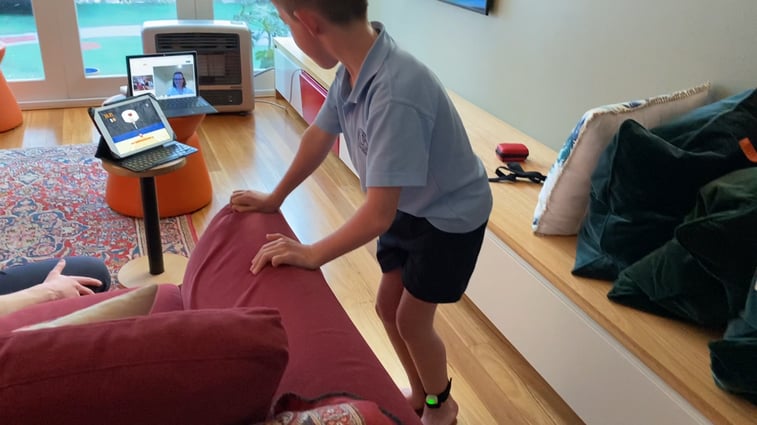
One of LusioMATE’s standout features is its support for home-based rehabilitation. Stroke survivors can complete daily exercises in a familiar environment, while remaining connected to their therapist.
Benefits for home users include:
-
Convenience — reduced need to travel
-
Comfort — practice in familiar surroundings
-
Confidence — see measurable improvement
-
Consistency — regular practice supports outcomes
Combining Tech With Therapist Guidance for Best Results
LusioMATE can be used independently, but it is often most effective when combined with professional support. Therapists can:
-
Create customised movement goals
-
Monitor performance data remotely
-
Adjust therapy based on progress
-
Provide encouragement and feedback
This keeps therapy personalised and goal-oriented, supporting both outcomes and user confidence.
Real Stories: Progress Through Interactive Therapy
Across clinics and homes, stroke survivors are using LusioMATE to rediscover movement and joy in progress.
One user, recovering from a right-side stroke, shared:
“I often find it hard to get motivated to exercise. Lusio gives me a focus outside my body and I feel like I am achieving something.”
For many, interactive therapy is not just a feature, it is what helps unlock consistent practice over time.
FAQs: Stroke Rehabilitation and LusioMATE
Q: Can LusioMATE be used for all types of strokes?
A: Yes. It can be used across a wide range of stroke severities and can support both upper and lower limb rehabilitation.
Q: Is it hard to set up at home?
A: No. LusioMATE is designed to be user-friendly with Bluetooth setup and clear, guided use.
Q: What if a patient has cognitive impairments?
A: Activities can be tailored to different cognitive and physical ability levels, and therapists can adjust complexity and goals as needed.
Q: How does a therapist monitor remote use?
A: Therapists can review session data such as frequency, movement accuracy, and goal achievement through a dashboard.
Conclusion
Rehabilitation after a stroke is a marathon, not a sprint. It requires dedication, repetition, and the right support. LusioMATE brings innovation and engagement to stroke recovery by helping people complete goal-based movement practice with real-time feedback and measurable progress.
Whether in a clinic or at home, LusioMATE supports stroke survivors in rebuilding strength, improving mobility, and staying committed to their recovery.